logo
Good price  online

products details

Created with Pixso. Home Created with Pixso. Products Created with Pixso.
SMT Machine Parts
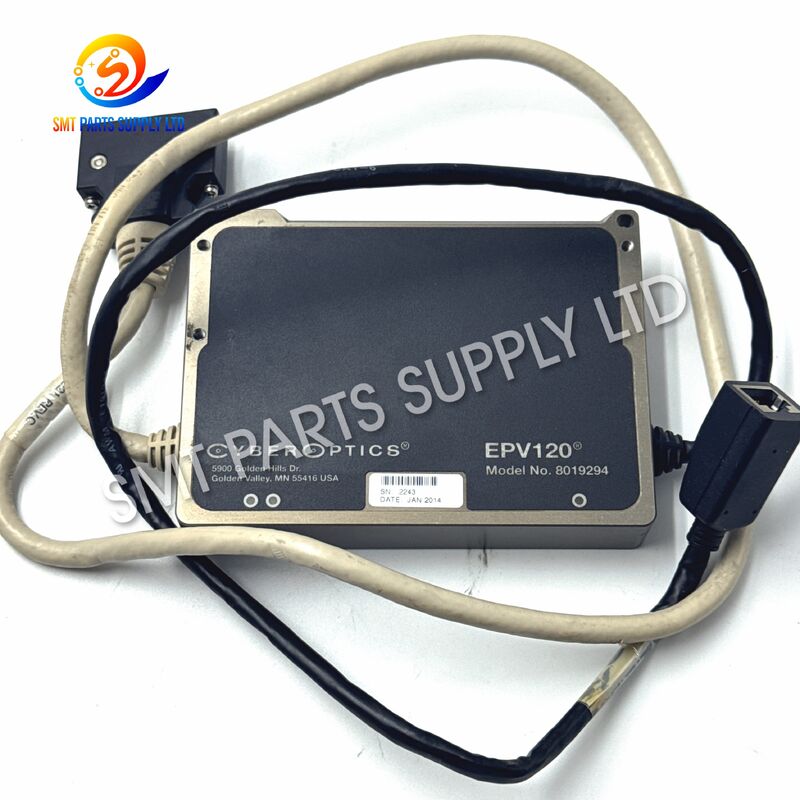
Created with Pixso. JUKI RX-6 40129657 CyberOptics 8019294 EPV120

JUKI RX-6 40129657 CyberOptics 8019294 EPV120

Brand Name: JUKI
Model Number: EPV120
MOQ: 1 Piece
Price: Negotiable
Delivery Time: 3–7 Working Days
Payment Terms: T/T
Detail Information
Place of Origin:
CHINA&JAPEN
Product Series:
EPV120
JUKI Part Number:
40129657
CyberOptics Number:
8019294
Product Type:
Embedded Process Verification Camera / Sensor Module
Compatible Machine:
RX-6 Series
Installation Area:
Placement / Head Monitoring System
Primary Function:
Pickup And Placement Image Verification
Inspection Method:
Image-Based Process Monitoring
Replacement Type:
Machine Spare Part
Packaging Details:
CARTON
Supply Ability:
1000PCS/YEAR
Highlight:

JUKI RX-6 SMT machine part

,

CyberOptics EPV120 SMT component

,

JUKI 40129657 SMT replacement part

Product Description

JUKI RX-6 40129657 CyberOptics 8019294 EPV120

JUKI RX-6  40129657  CyberOptics 8019294 EPV120 JUKI RX-6  40129657  CyberOptics 8019294 EPV120 JUKI RX-6  40129657  CyberOptics 8019294 EPV120

The JUKI 40129657 EPV120, also identified by CyberOptics 8019294, is a specialized vision module used with the JUKI RX-6 SMT placement machine. The EPV system is associated with Embedded Process Verification, a process-monitoring function designed to capture images during component pickup and placement operations. JUKI documentation shows that EPV can be configured to photograph designated placement points and perform component presence checks, while RX-6 technical information describes a head-mounted miniature camera system used for real-time process verification. ASi Tech

Unlike the LNC120, which performs laser-based component centering, the EPV120 belongs to the placement-monitoring and process-verification system. This distinction is important when selecting replacement parts for an RX-6 machine. JUKI identifies LNC120 as the laser recognition sensor, while EPV is used for imaging and placement verification. Juki

For factories maintaining RX-6 production lines, a correctly matched EPV120 module helps restore process-monitoring capability and supports more effective troubleshooting of pickup, component handling, and placement abnormalities.


Cause

SMT placement machines operate continuously at high speed, and the vision and monitoring systems installed around the placement head are exposed to repeated movement, vibration, dust, temperature changes, and long production cycles.

When an EPV-related module becomes unstable or damaged, the machine may lose part of its process-verification capability.

Common situations that may lead to inspection or replacement include:

Possible Situation Production Impact
EPV image cannot be captured Placement process cannot be visually verified
Unstable camera signal Intermittent inspection or monitoring errors
Poor image quality Abnormalities become more difficult to analyze
Damaged camera assembly EPV function may become unavailable
Communication-related fault Images or inspection results may not be correctly processed
Aging production equipment Preventive replacement may be required
Physical contamination Image clarity and verification performance may decline

EPV is especially useful because placement problems can occur at several stages. A component may fail to leave the feeder correctly, may not be held securely by the nozzle, may fall during transfer, or may not remain correctly positioned after placement.

JUKI's RX-6 EPV function is designed to provide image-based information around these production events, allowing operators to obtain additional evidence when investigating process problems. 51Smt PDF

A faulty monitoring module therefore does not simply affect image capture. It may also reduce the amount of process information available to maintenance and quality-control personnel.


Solution

Replacing a damaged or unstable EPV120 with a correctly matched 40129657 / CyberOptics 8019294 unit can help restore the intended Embedded Process Verification capability of the compatible RX-6 configuration. The JUKI part number 40129657 is documented as EPV120, while industry parts references associate the same assembly with CyberOptics 8019294.

After replacement, technicians should confirm that the module is properly installed, electrically connected, recognized by the machine, and operating with the correct software and production settings.

The EPV system can be configured within RX-6 production data to control whether images are taken and whether component presence inspection is performed. Machine documentation includes selectable EPV operating modes rather than treating the device as a simple standalone camera. 51Smt PDF

For this reason, replacement should normally include both hardware inspection and functional verification.

Recommended Checks After Installation

Check Purpose
Confirm part number Prevent installation of an incorrect module
Inspect connector condition Ensure stable electrical communication
Check mounting position Maintain correct imaging position
Confirm EPV recognition Verify communication with machine control
Perform image test Confirm usable image output
Test pickup monitoring Verify operation during component pickup
Test placement monitoring Verify operation around placement
Run sample production Confirm stable operation under actual conditions

The module should be handled as a precision optical and electronic component. Avoid touching optical surfaces and protect the unit against contamination, mechanical shock, and electrostatic discharge during installation.


Specifications

Item Specification
Brand/Application JUKI
Product Series EPV120
JUKI Part Number 40129657
Alternate Number 401-29657
CyberOptics Number 8019294
Product Type Embedded Process Verification Camera / Sensor Module
Main Application SMT Placement Process Monitoring
Compatible Machine RX-6 Series
Installation Area Placement / Head Monitoring System
Primary Function Pickup and Placement Image Verification
Process SMT Surface Mount Assembly
Inspection Method Image-Based Process Monitoring
Replacement Type Machine Spare Part
Condition Options Confirm according to supplied stock
Installation Professional installation recommended

The identifiers EPV120, 40129657, and CyberOptics 8019294 are associated in available parts references, and the RX-6 documentation confirms the use of EPV as a process-verification function.

EPV120 and LNC120 Difference

These two RX-6 components should not be confused.

Item EPV120 LNC120
Main Purpose Placement process verification Component laser centering
Technology Camera / image monitoring Laser recognition
Typical Function Capture pickup and placement images Measure component position and angle
Related JUKI Number 40129657 40129658
Related CyberOptics Number 8019294 8017990
Application Production traceability and verification High-speed component recognition

JUKI describes the RX-6 as using LNC120 for laser centering, while its placement-monitor/EPV system uses imaging to check production events. Juki

This distinction is particularly important when customers provide only a description such as "RX-6 sensor" or "RX-6 camera."


Application

The JUKI EPV120 40129657 is intended for use in SMT assembly environments operating compatible RX-6 equipment.

Typical applications include:

Application Function
PCB Assembly Monitoring component placement processes
Consumer Electronics Supporting stable high-volume SMT production
Automotive Electronics Assisting process verification and traceability
Industrial Control Boards Monitoring pickup and placement events
Communication Equipment Supporting high-density PCB assembly
LED and Power Electronics Assisting production troubleshooting
SMT Maintenance Replacement of faulty EPV assemblies

One important benefit of process-monitoring images is troubleshooting. When a placement defect occurs, production personnel can use recorded process information to distinguish between different possible causes instead of relying only on the finished PCB.

For example, the operator may need to determine whether a component was available before pickup, whether pickup occurred correctly, or whether an abnormal situation appeared around the placement stage.

Industry descriptions of the RX-6 EPV system note that miniature cameras integrated around the head can capture stages before and after pickup and placement, providing data useful for failure analysis and process traceability. FlipHTML5


How It Works

EPV stands for Embedded Process Verification. On the RX-6, the system is integrated into the placement process rather than functioning as a separate downstream inspection machine.

During programmed operation, the machine can use EPV to take images at selected production points. JUKI's RX-6 operating documentation specifically allows EPV settings for photographing placement points and performing component presence judgment. 51Smt PDF

The general operating sequence can be summarized as follows:

  1. Component Preparation

The placement head moves toward the programmed feeder position to collect the required component.

  1. Pickup Monitoring

Depending on the production and EPV configuration, image information can be obtained around the pickup process.

  1. Component Transfer

The machine transfers the component toward the programmed PCB placement position.

  1. Placement Monitoring

The EPV system captures information associated with the placement process.

  1. Verification

Images or inspection information can be used to help determine whether the expected component condition is present.

  1. Process Analysis

When a production abnormality occurs, the available EPV information can assist technicians in analyzing where the problem occurred.

This process gives maintenance personnel more information than a simple machine alarm alone.

It is also important to understand that EPV120 does not replace LNC120 component centering. JUKI's laser recognition technology calculates component position and angle using laser measurement, while EPV performs a different process-monitoring role. Juki


How To Choose

Selecting the correct EPV replacement part should be based primarily on the machine model, existing part number, module identification, and physical configuration.

1. Confirm the JUKI Part Number

Check whether the existing unit is marked:

40129657

Do not select a replacement only because it looks similar.

2. Confirm the EPV Model

Verify:

EPV120

RX-series machines may contain multiple optical and sensing components, so the model designation is important.

3. Confirm the CyberOptics Number

Where visible, check whether the unit carries:

8019294

Available parts references associate CyberOptics 8019294 with JUKI 40129657 EPV120.

4. Confirm the Machine

This product is associated with the JUKI RX-6 platform. Machine configuration should still be verified before ordering because production equipment may have different head specifications or previous modifications.

5. Do Not Confuse EPV120 With LNC120

This is one of the most important selection points.

If you require 40129658 / CyberOptics 8017990, you are referring to the LNC120 laser recognition unit, not the EPV120 40129657.

6. Send Photos Before Ordering

For faster confirmation, provide:

Required Information Why It Helps
Machine model Confirms application
Existing part number Confirms replacement reference
EPV label photo Confirms module identification
CyberOptics label Confirms cross-reference
Connector photo Helps compare hardware version
Fault description Helps determine whether replacement is appropriate

Correct identification before shipment can reduce installation delays and unnecessary production downtime.


FAQ

Q1: What is the JUKI 40129657 EPV120 used for?

The EPV120 is associated with the RX-6 Embedded Process Verification system. It supports image-based monitoring around component pickup and placement operations, helping production personnel verify component presence, retain process information, and investigate SMT placement abnormalities. 51Smt PDF

Q2: Is EPV120 the same as the LNC120 laser sensor?

No. EPV120 and LNC120 perform different functions. EPV120 is associated with image-based placement process verification, while LNC120 is the laser recognition unit used for component centering and position measurement. Juki

Q3: Which machine uses JUKI 40129657 EPV120?

The 40129657 EPV120 is associated with the JUKI RX-6 SMT placement machine. Customers should confirm the existing part label and machine configuration before ordering a replacement. 富士泰

Q4: Is CyberOptics 8019294 equivalent to JUKI 40129657?

Parts references identify CyberOptics 8019294 together with JUKI 40129657 / EPV120. For purchasing confirmation, compare the complete label, physical unit, connector arrangement, and machine model before shipment.

Q5: What information should I provide for an inquiry?

Please provide your machine model, required quantity, JUKI part number, CyberOptics number, and a clear photo of the existing EPV module label. This allows faster compatibility confirmation and quotation preparation.

Contact Us

Looking for a JUKI RX-6 EPV120 40129657 CyberOptics 8019294 replacement module?

Please send us your machine model, part number, required quantity, current module photos, and fault description. Our team can help verify the correct specification before quotation and shipment.

We supply SMT machine spare parts for equipment maintenance, production-line repair, and replacement requirements. Contact us today for availability, quotation, and compatibility confirmation.