logo
Good price  online

products details

Created with Pixso. Home Created with Pixso. Products Created with Pixso.
SMT Spare Parts
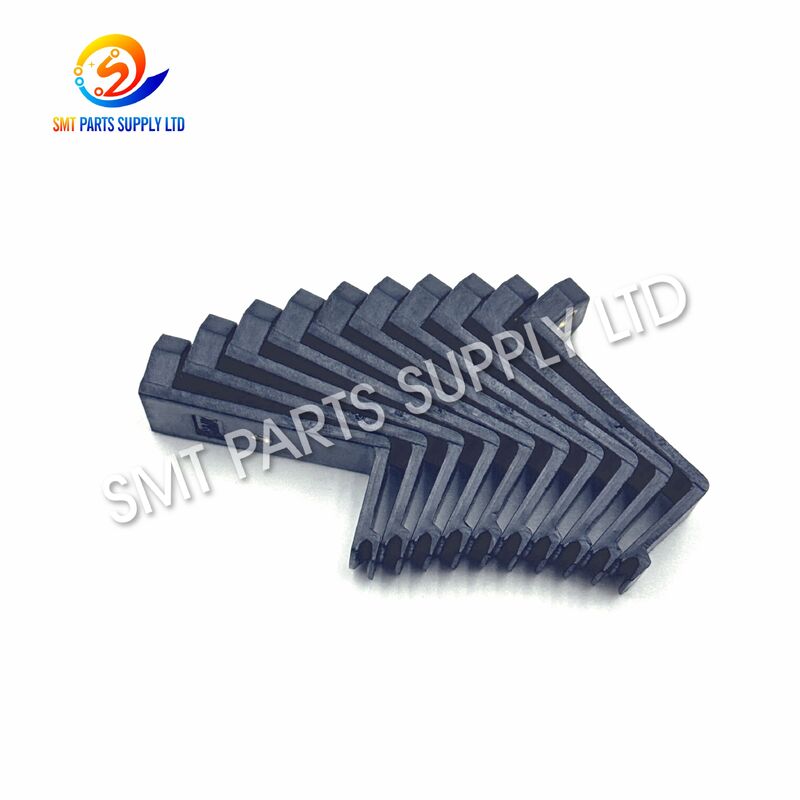
Created with Pixso. SMIC PFW-20L Wave Solder PCB Conveyor Resin Finger

SMIC PFW-20L Wave Solder PCB Conveyor Resin Finger

Brand Name: SMIC
Model Number: PFW-20L
MOQ: 1 Piece
Price: Negotiable
Delivery Time: 3–7 Working Days
Payment Terms: T/T
Detail Information
Place of Origin:
CHINA&JAPEN
Brand:
SMIC
Model:
PFW-20L
Product Name:
Wave Solder Conveyor Finger
Material Type:
Resin
Product Type:
PCB Conveyor Spare Part
Equipment Type:
Wave Soldering Machine
Installation Area:
PCB Conveyor Chain / Rail
Main Function:
PCB Supporting And Transportation
Application:
PCB Wave Solder Production And Maintenance
Packaging Details:
CARTON
Supply Ability:
1000PCS/YEAR
Highlight:

SMIC wave solder PCB conveyor

,

PFW-20L resin finger

,

SMT machine replacement parts

Product Description

SMIC PFW-20L Wave Solder PCB Conveyor Resin Finger

SMIC PFW-20L Wave Solder PCB Conveyor Resin Finger SMIC PFW-20L Wave Solder PCB Conveyor Resin FingerSMIC PFW-20L Wave Solder PCB Conveyor Resin Finger

The SMIC PFW-20L Wave Solder PCB Conveyor Resin Finger is a mechanical conveyor component designed for PCB transportation inside compatible wave soldering equipment. Installed along the conveyor chain or rail assembly, the finger contacts and supports the edge of the printed circuit board while the PCB moves through fluxing, preheating, soldering, and cooling sections.

Reliable board transportation is essential in wave soldering because the PCB must maintain a controlled position and travel smoothly through the soldering process. Worn, damaged, deformed, contaminated, or incorrectly installed conveyor fingers may cause unstable PCB movement, poor board support, conveyor resistance, or inconsistent board positioning.

The PFW-20L is therefore an important maintenance component for wave solder production lines. Replacing aged conveyor fingers can help restore the original PCB transport condition and reduce mechanical problems caused by worn board-holding components.


Key Product Information

Item Details
Brand SMIC
Model PFW-20L
Product Name Wave Solder Conveyor Finger
Common Name Resin Finger
Product Type PCB Conveyor Spare Part
Application Wave Soldering Machine
Installation Area PCB Conveyor Chain / Rail
Main Function PCB Supporting and Transportation
Maintenance Type Replacement / Preventive Maintenance
Industry PCB and Electronics Manufacturing

Cause – Why Conveyor Fingers Need Replacement

Wave solder conveyor fingers operate continuously during PCB production. Every circuit board entering the soldering machine is supported by a group of fingers installed along the conveyor system.

The fingers repeatedly contact PCB edges while operating in an environment involving heat, flux residue, soldering process contamination, conveyor movement, and continuous mechanical loading.

Over time, the condition of the finger may gradually deteriorate.

Common Problems

Problem Possible Result
Finger surface wear Reduced PCB holding stability
Finger deformation Incorrect board positioning
Broken finger PCB support may become insufficient
Flux contamination Increased friction around the PCB edge
Uneven finger height PCB may tilt during transportation
Loose installation Conveyor vibration or unstable board travel
Excessive long-term wear Poor engagement with PCB edges

A single damaged finger may not immediately stop the entire machine, but continuing production with worn conveyor components can gradually reduce transport stability.

For factories running continuous production, routine inspection of the conveyor finger system is an effective way to prevent unexpected board handling problems.


Solution – Restore Stable PCB Transportation

Replacing damaged conveyor fingers with the correct PFW-20L Resin Finger helps restore reliable PCB support through the wave soldering machine.

The finger is installed on the conveyor mechanism and provides a defined contact position for the PCB edge.

When multiple fingers are properly aligned, the PCB can travel through the machine at a stable height and orientation.

Benefits of Replacing Worn Fingers

  • Helps maintain stable PCB transportation.
  • Supports accurate board positioning.
  • Reduces conveyor-related PCB movement.
  • Helps maintain consistent PCB travel through the soldering zone.
  • Suitable for routine conveyor maintenance.
  • Provides a direct replacement for worn PFW-20L fingers.
  • Helps reduce mechanical interruptions.
  • Supports continuous wave solder production.

For production lines operating many hours per day, conveyor fingers should be considered normal maintenance parts rather than permanent components.

Keeping replacement fingers in stock allows technicians to replace defective pieces during scheduled maintenance instead of waiting until the conveyor system develops a more serious problem.


Specifications

Specification Description
Brand SMIC
Model PFW-20L
Product Type Conveyor Finger
Common Description Resin Finger
Equipment Type Wave Soldering Machine
Application PCB Conveyor System
Installation Conveyor Chain / Rail Assembly
Contact Position PCB Edge
Main Function Holding, Supporting and Guiding PCB
Component Category Wave Solder Spare Part
Maintenance Purpose Replacement and Preventive Maintenance
Production Application PCB Assembly
Operating Environment Wave Solder Production Line

Application

The SMIC PFW-20L Conveyor Resin Finger is primarily used in wave solder PCB conveyor assemblies.

Wave soldering is commonly used for through-hole component soldering, mixed-technology PCB assembly, industrial control boards, power electronics, automotive electronics, appliance control boards, communication equipment, and other electronic manufacturing applications.

The conveyor fingers support the PCB throughout the soldering process.

Typical Applications

Application Function
Wave Solder Machine PCB edge support
PCB Conveyor System Stable board transportation
Through-Hole Production Transport boards through solder wave
Electronics Factory Routine conveyor maintenance
Machine Refurbishment Replace aged conveyor components
Spare Parts Inventory Prepare replacement fingers
EMS Production Support continuous PCB assembly

The PFW-20L is particularly useful for maintenance teams that regularly inspect conveyor chains, rails, guide systems, and PCB holding components.

When replacing one damaged finger, technicians should also inspect nearby fingers because parts installed at the same time may show similar levels of wear.


How It Works

The conveyor system of a wave soldering machine moves the PCB through several processing stages.

During transportation, conveyor fingers contact the edges of the PCB and maintain its position relative to the conveyor rails.

The process can generally be divided into several steps.

1. PCB Loading

The PCB enters the wave solder conveyor system from the upstream production equipment or manual loading station.

The conveyor fingers contact the board edges and establish the transport position.

2. PCB Supporting

Multiple fingers support the PCB along the conveyor.

Correct finger alignment is important because the board must remain stable while traveling through the machine.

3. Fluxing and Preheating

The PCB passes through the flux application and preheating sections.

Throughout these stages, the fingers continue holding the board edges while the conveyor maintains a controlled transportation speed.

4. Wave Soldering

The PCB passes over the solder wave.

Stable board positioning is particularly important at this stage because the underside of the PCB must interact with the soldering process in a controlled manner.

5. PCB Exit

After soldering and cooling, the PCB leaves the machine and continues to the next production process.

The conveyor fingers release the board once it reaches the unloading section.

A correctly installed PFW-20L finger therefore contributes to the complete board transportation process rather than only one section of the machine.


Why Conveyor Finger Condition Matters

The conveyor mechanism directly affects how the PCB enters and passes through the wave soldering process.

If fingers are uneven, worn, loose, or deformed, PCB transportation may become unstable.

Possible problems include:

  • PCB shaking during movement.
  • Uneven board height.
  • Poor PCB edge engagement.
  • Increased mechanical resistance.
  • PCB tilting during transportation.
  • Abnormal conveyor noise.
  • Board movement near the soldering zone.
  • Increased risk of production interruption.

These problems can sometimes be incorrectly attributed to the conveyor chain, rail width adjustment system, or drive motor.

For this reason, conveyor finger condition should be included in routine mechanical troubleshooting.


Resin Finger Advantages

Resin conveyor fingers are commonly selected for PCB transportation because they provide direct board-edge contact without requiring the PCB to rest directly against larger metal conveyor structures.

The PFW-20L design is intended for the corresponding conveyor installation position and provides a replaceable contact component within the transport system.

Practical Maintenance Benefits

Feature Benefit
Replaceable Design Simplifies conveyor maintenance
PCB Edge Contact Supports stable board transportation
Dedicated Finger Shape Fits corresponding conveyor position
Mechanical Construction No electronic adjustment required
Individual Replacement Damaged fingers can be replaced separately
Production Spare Part Suitable for maintenance inventory

The actual replacement interval depends on production hours, flux conditions, maintenance frequency, PCB characteristics, and conveyor operating conditions.


How To Choose the Correct Conveyor Finger

Wave solder machines use many different conveyor finger designs. Different brands and machine models may use fingers with similar appearances but different dimensions, mounting structures, PCB contact profiles, or installation directions.

Therefore, selection should not be based only on visual appearance.

Step 1 – Confirm the Model

Check whether the required conveyor finger model is:

PFW-20L

Model confirmation is the most important step before ordering.

Step 2 – Check the Existing Finger

Compare the replacement with the existing component.

Check:

  • Overall shape.
  • Mounting position.
  • PCB contact point.
  • Finger length.
  • Installation direction.
  • Mounting structure.

Step 3 – Confirm the Machine Conveyor

Verify that the conveyor system uses PFW-20L type fingers.

Different wave soldering machines may use different resin, stainless steel, or titanium conveyor finger structures.

Step 4 – Provide Photos When Necessary

If the machine model or finger specification is uncertain, provide clear photos showing:

  • Complete finger.
  • Mounting section.
  • Conveyor chain.
  • PCB contact side.
  • Existing model marking.

This can significantly improve part identification.


Installation and Inspection

Before installation, stop the machine according to the equipment maintenance procedure and allow the relevant machine area to reach a safe condition.

Remove the damaged finger and inspect the mounting position.

Recommended Inspection Points

Inspection Point Check
Finger Body Cracks, wear, deformation
PCB Contact Surface Excessive wear or contamination
Mounting Position Loose or damaged connection
Conveyor Chain Abnormal wear
Adjacent Fingers Height and alignment
Conveyor Rail Straightness and cleanliness
PCB Path Free movement without interference

After replacement, verify that the new finger is correctly positioned and aligned with the surrounding fingers.

Run the conveyor at an appropriate test condition before returning the equipment to normal production.


Maintenance Recommendations

Regular cleaning can help extend the useful service life of the conveyor finger system.

Flux residue and production contamination may accumulate around conveyor components over time.

A maintenance program should include inspection of:

  • Conveyor fingers.
  • Conveyor chains.
  • Rail assemblies.
  • Width adjustment mechanisms.
  • Drive sprockets.
  • PCB guides.
  • Flux residue accumulation.
  • Loose mounting components.

Do not continue using a seriously damaged finger simply because the conveyor can still move.

Early replacement is usually easier than troubleshooting PCB transport problems after production has already been affected.


Purchasing Advantages for Wave Solder Maintenance

PFW-20L conveyor fingers are practical consumable maintenance parts for electronics factories operating wave soldering equipment.

For factories with continuous production, maintaining an adequate spare inventory can reduce downtime caused by unexpected finger damage.

Recommended Ordering Information

Information Example
Brand SMIC
Model PFW-20L
Product Resin Conveyor Finger
Equipment Wave Soldering Machine
Required Quantity According to maintenance demand
Reference Photo Recommended for confirmation

For larger maintenance projects, buyers can also combine conveyor fingers with other wave solder spare parts in one inquiry.


FAQ

1. What is the SMIC PFW-20L used for?

The SMIC PFW-20L is a conveyor finger used in compatible wave soldering machine PCB transport systems. It supports and guides PCB edges while the board travels through fluxing, preheating, soldering, and cooling processes.

2. Is PFW-20L a resin finger or titanium finger?

PFW-20L is supplied as a resin conveyor finger for the corresponding wave solder conveyor application. Buyers should confirm the model before ordering because wave solder machines may use resin, stainless steel, or titanium fingers with different designs.

3. When should the conveyor finger be replaced?

Replacement is recommended when the finger becomes worn, cracked, deformed, loose, heavily contaminated, or unable to maintain stable PCB edge support. Adjacent fingers and conveyor chain condition should also be inspected during maintenance.

4. Can PFW-20L be selected only by appearance?

It is not recommended. Many wave solder fingers have similar shapes but different dimensions and mounting structures. Confirm the PFW-20L model and compare the existing finger or provide photos before ordering.

5. What information is required for a quotation?

Please provide the PFW-20L model, wave solder machine information, required quantity, and product photos when available. These details help confirm the correct conveyor finger and improve quotation accuracy.


Contact Us

Need SMIC PFW-20L Wave Solder PCB Conveyor Resin Fingers for maintenance or replacement?

Send us your model, machine information, required quantity, and existing finger photo for confirmation.

We supply wave solder spare parts for PCB production, maintenance, machine refurbishment, and replacement requirements.

Bulk quantities and combined spare parts inquiries are welcome.

Send your inquiry now for price, availability, quantity requirements, and shipping options.